

 Balance Claims
Growing a contracting business takes more than landing additional jobs or hiring more employees. As your company grows, the challenges change, and the strategies that worked early on may not be enough to take you to the next level.
On Episode 9 of The Balance Breakdown, host Josh Roseboom welcomes Nathan Tebedo of ContractorCoachPRO to discuss the six stages of contractor business growth.
Nathan's framework helps contractors identify where their businesses stand, recognize common obstacles, and understand what it takes to move forward.
Here's a look at all six stages.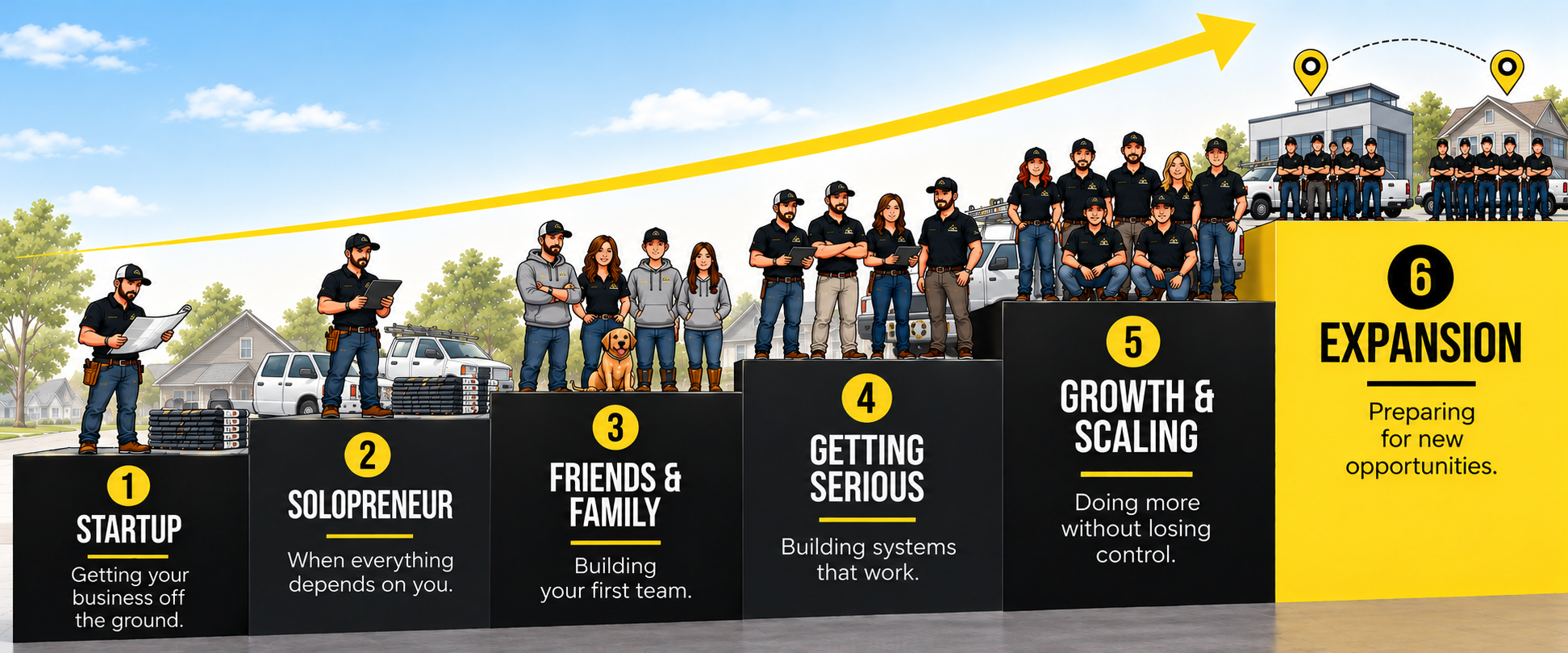
1. Startup: Getting Your Business Off the Ground
Every contracting business starts somewhere. At this stage, the focus is on finding customers, generating revenue, and establishing a reputation.
You're likely handling nearly everything yourself, from sales and inspections to scheduling and paperwork.
The challenge: Building a reliable foundation for long-term success.
What to focus on:
- Generating leads and establishing a customer base.
- Understanding expenses and profit margins.
- Developing basic estimating and project management processes.
The goal is to establish a business that can support future growth.
2. Solopreneur: When Everything Depends on You
Your business is established, but you're still responsible for most of the work. You're the salesperson, project manager, and administrator, often all at once. At this point, working harder isn't necessarily the answer.
The challenge: Increasing capacity without becoming overwhelmed.
What to focus on:
- Identifying tasks that can be delegated or outsourced.
- Creating repeatable workflows.
- Reducing time spent on administrative responsibilities.
For restoration contractors, estimating and insurance supplementing can consume valuable time. Establishing consistent processes, or working with a specialized partner, can help.
3. Friends & Family: Building Your First Team
As business picks up, you need help. Often, your first employees are friends, relatives, or people you already know. While these relationships can be valuable, they can also create challenges when responsibilities aren't clearly defined.
The challenge: Moving from an informal operation to a business with structure and accountability.
What to focus on:
- Defining employee roles and expectations.
- Hiring based on qualifications and business needs.
- Documenting procedures and establishing accountability.
This stage often reveals the importance of building a team around clearly defined responsibilities rather than personal relationships.
4. Getting Serious: Building Systems That Work
A growing contracting company needs more than hardworking employees. It needs systems.
At this stage, owners begin implementing the processes, leadership, and accountability necessary to operate more consistently.
The challenge: Replacing informal processes with a structure that supports growth.
What to focus on:
- Establishing measurable goals and performance indicators.
- Implementing CRM and project management systems.
- Standardizing estimating, documentation, and production workflows.
For restoration contractors, consistent documentation is especially important. As Balance Claims explains in Better Documentation, Better Claims, thorough documentation can strengthen the claims process and help reduce unnecessary delays.
The U.S. Small Business Administration also offers resources for improving business operations.
5. Growth & Scaling: Doing More Without Losing Control
Your company has established systems, a growing team, and more predictable operations. Now the challenge is increasing capacity while maintaining quality and profitability.
The challenge: Growing revenue without allowing inefficiencies and expenses to grow just as quickly.
What to focus on:
- Developing leaders who can manage operations independently.
- Monitoring profitability and operational performance.
- Identifying bottlenecks before they limit growth.
For restoration contractors, a sudden increase in projects following a major storm can quickly expose weaknesses in existing processes.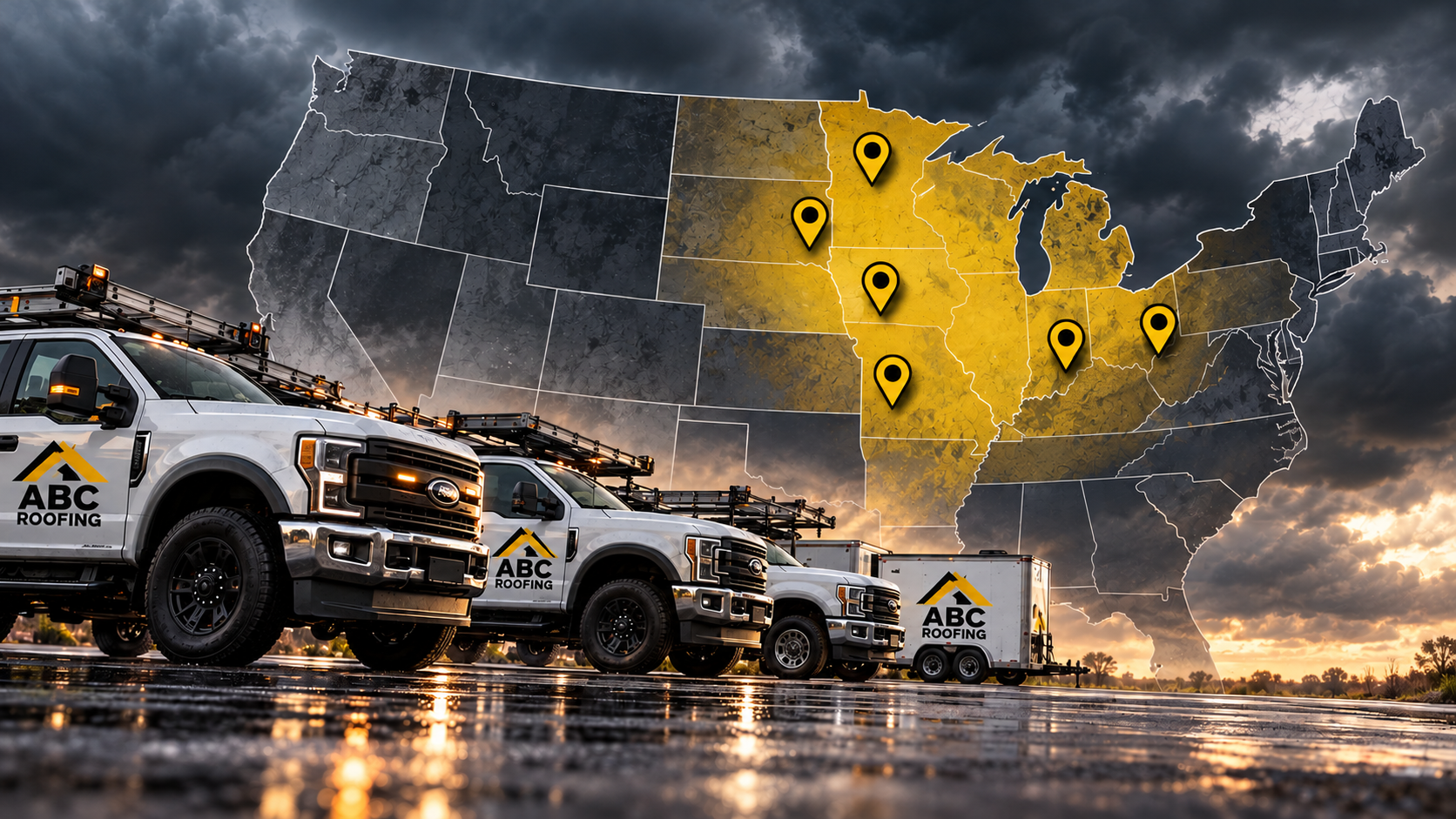
6. Expansion: Preparing for New Opportunities
Expansion might mean entering new markets, opening additional locations, or adding services.
But expanding a business also introduces new responsibilities and risks.
The challenge: Pursuing new opportunities without sacrificing the consistency and profitability of existing operations.
What to focus on:
- Evaluating new markets carefully.
- Developing leadership across teams and locations.
- Ensuring existing systems and finances can support expansion.
The SBA's guide to growing your business provides additional considerations for companies preparing to expand.
What Stage Is Your Contracting Business In?
Revenue and employee count don't always tell the whole story. A contractor generating millions in revenue may still struggle with challenges associated with an earlier stage.
Consider whether your business relies too heavily on you, whether employees have clearly defined responsibilities, and whether your systems could handle a significant increase in work.
Understanding your current stage can help you identify what needs to change before moving to the next one.
Watch Nathan Tebedo on The Balance Breakdown
Every stage of contractor business growth brings different challenges, and what works at one stage may not work at the next.
In Episode 9 of The Balance Breakdown, Josh Roseboom sits down with Nathan Tebedo of ContractorCoachPRO to explore all six stages and discuss how contractors can recognize where they are and prepare for what's next.
Whether you're building your first team, developing better systems, or preparing to expand, this conversation offers valuable perspective on growing a stronger contracting business.
Watch Episode 9 and learn more about The 6 Stages of Growing a Contracting Business.
Watch more episodes on The Balance Breakdown page!